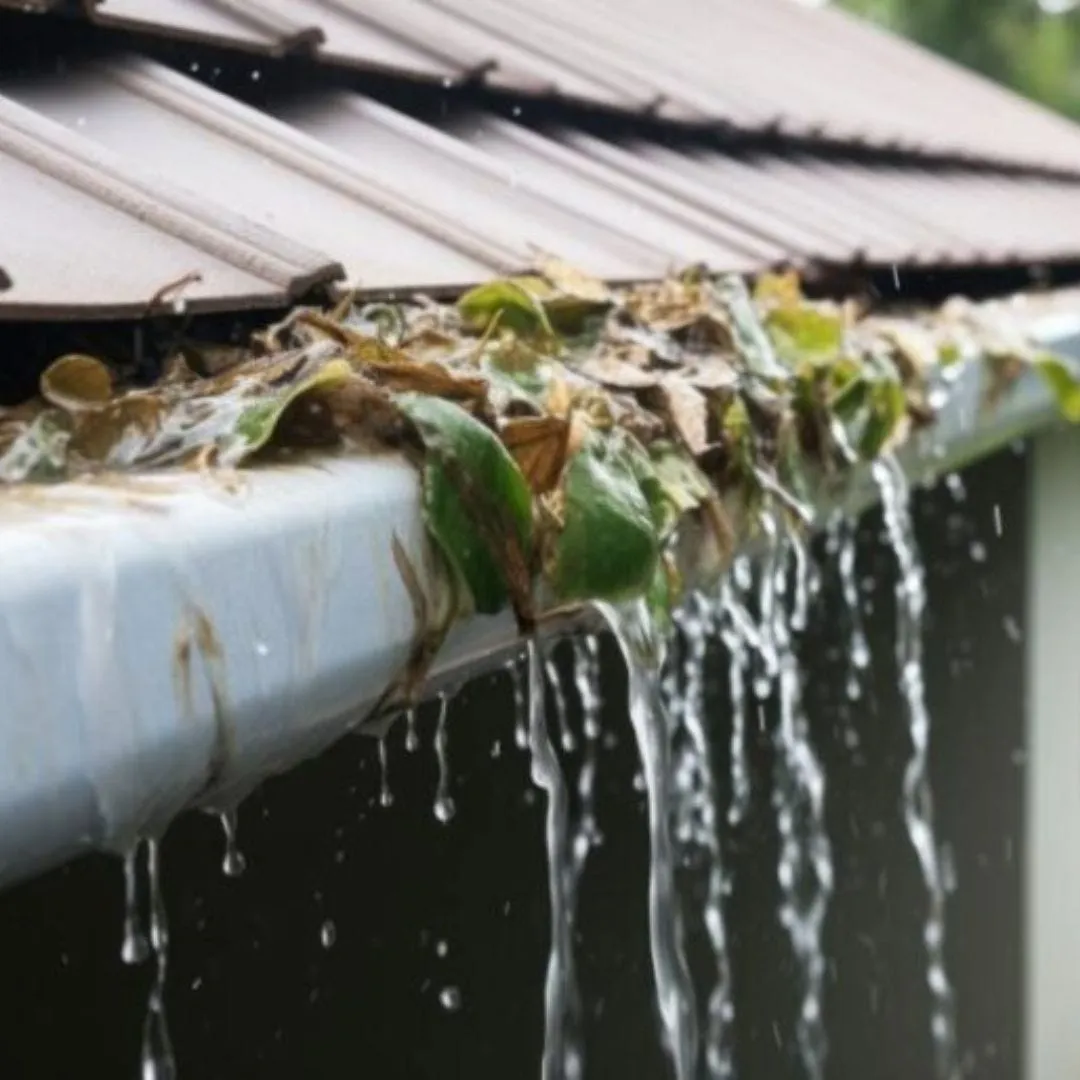
You sit out on the lanai after dinner and get bitten within minutes, yet there is no pond, ditch or birdbath anywhere near the house. The source may be right over your head. Mosquitoes in gutters are easy to miss because the water is out of sight, but a gutter that holds even a shallow puddle after rain behaves like any other container to the mosquitoes that live around homes in Southwest Florida. The fix is not spraying. It is making sure the gutter empties completely after every storm.
Why a week of standing water is enough
The mosquitoes that bother people at home are mostly container breeders. According to the CDC, the females lay their eggs on the inside walls of anything that holds water, just above the waterline. Those eggs can sit dry for up to eight months. When rain raises the water level and covers them, they hatch, and the trip from egg to flying adult takes about 7 to 10 days.
The 7 day window
If water is still sitting in any part of a gutter a week after a storm, it has had time to produce a new batch of mosquitoes. Checking within a few days of heavy rain breaks that cycle.
That timing is what makes gutters such a problem here. The National Weather Service puts the South Florida wet season at May 15 through October 15, with showers and storms on most days. A gutter that never quite drains gets refilled before it dries out, again and again, all summer long.
Where water hides in a gutter
A healthy gutter is wet during a storm and dry not long after. Water that lingers is almost always caught in one of these places.
- A low spot where a hanger has loosened and the gutter has sagged into a shallow dip
- A mat of wet leaves, palm debris and roof grit that acts like a sponge in the bottom of the trough
- The end of a run that was hung level or tilted away from the downspout
- A downspout elbow packed with debris, which turns the whole gutter into a holding tank
- Underground drain lines and pop up outlets in the yard that never fully empty
You can spot most of these without a ladder. A day or two after rain, look along the gutter from an upstairs window or from across the yard. Plants or seedlings growing out of a gutter mean soil and water have been sitting there for a while. Stains or drips at one spot after the rain has stopped point to a pocket of water above it.
What local health officials ask homeowners to do
Gutters show up on official mosquito checklists across the state. The Florida Department of Health runs a long standing Drain and Cover campaign, and its county offices regularly name house gutters among the things to empty after rain, alongside buckets, pool covers and flower pots. The Lee County Mosquito Control District lists gutters with tires, pet dishes, bird baths and bromeliads as places where the mosquitoes that live near people develop.
The district treats mosquitoes across the county, but it says it cannot inspect every property and asks residents to check around their own homes. Your gutters are part of that check, and they are one of the few spots that only you are likely to notice.
A simple routine for the wet season
You do not need to inspect the roof edge every day. A light routine that follows the weather covers most homes.
Before the rains start
Late spring is the time to have the gutters and downspouts cleared and the low spots fixed, before the first stretch of daily storms. Starting the season with a gutter that drains properly is far easier than chasing standing water in August.
A few days after each heavy storm
Take a quick look from the ground at the spots listed above, especially any section that has held water before. Check that each downspout outlet ran freely and that the ground at the outlet is not sitting in a puddle.
After tropical weather
Named storms drop leaves, fronds and small branches into gutters all at once. Clearing that debris soon after the storm passes keeps the next round of rain from settling in behind it.
Fixes that last longer than a cleaning
Cleaning removes the debris, but it does not change a gutter that holds water by design. If the same section collects water after every rain, the slope or the hanger is the problem. Resetting the pitch so water runs toward the downspout is often a short repair, and our guide on why gutters overflow in heavy rain explains how a sag shows up during a storm.
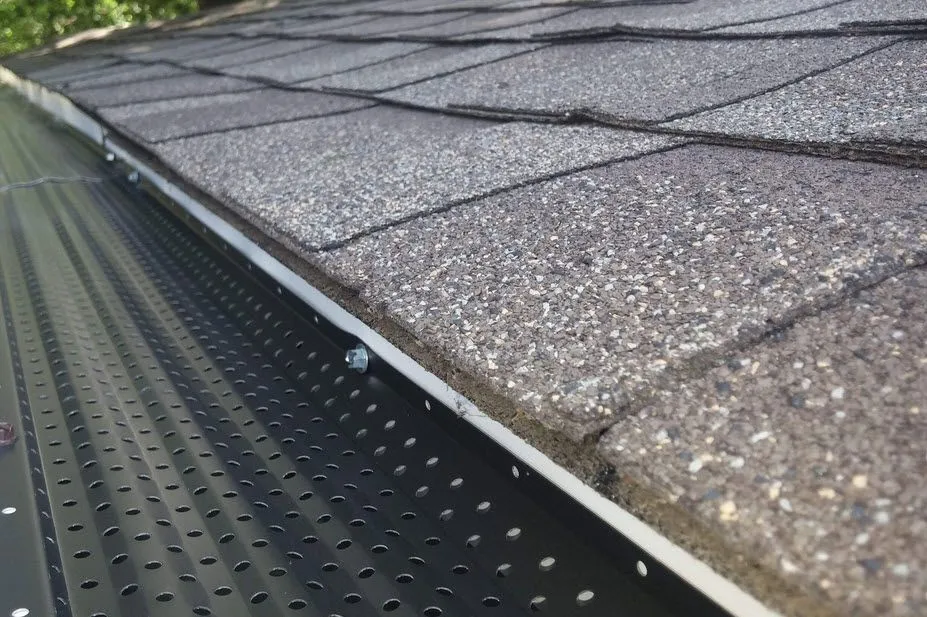
Homes under oaks and palms tend to rebuild that soggy debris layer within weeks, which is where gutter guards earn their keep. At ground level, extensions and underground lines should carry water away and empty fully. A drain line that stays half full is just another container, which is why our downspout and drainage work looks at where the water finishes, not only where it leaves the roof.
Leave anything that involves climbing to someone with the right ladder and footing. Gutter work on a wet roof edge, a two story home or near power lines is not worth the risk, and most of the checking can be done from the ground. For new or replacement gutters, a properly pitched seamless gutter system with enough downspouts drains dry by design.
Mosquito questions
How fast can mosquitoes breed in a gutter?
The CDC puts the egg to adult cycle for the container mosquitoes common in Florida at about 7 to 10 days. A gutter that holds water for a week after a storm is enough. That is why a quick look soon after a downpour matters more than a once a season cleaning.
Do gutter guards keep mosquitoes out?
Guards help mainly by keeping leaves and palm debris out, so water drains instead of pooling on a mat of wet debris. They do not fix a gutter that sags or slopes the wrong way. Water can still sit under a guard in a low spot, so the pitch has to be right too.
Are gutters a mosquito risk in the dry months?
Less so, since there is little rain to refill them. The catch is that eggs left on a damp gutter wall in late summer can stay alive through the winter and hatch with the first heavy rains of spring. Clearing debris and fixing low spots before May takes away that head start.
Sources
- Centers for Disease Control and Prevention, Life Cycle of Aedes Mosquitoes (opens in a new tab)
- Lee County Mosquito Control District, Source Reduction (opens in a new tab)
- Florida Department of Health in Collier County, Drain and Cover (2022) (opens in a new tab)
- National Weather Service Miami, Rainy Season 2025 Outlook (opens in a new tab)